Cashflow modelling brings the different parts of your finances together, including your income, spending, savings, pensions and investments, and projects how they could change over time. By looking ahead under different assumptions, you can explore whether your plans are affordable, how long your money might last and what different decisions could mean for your future.

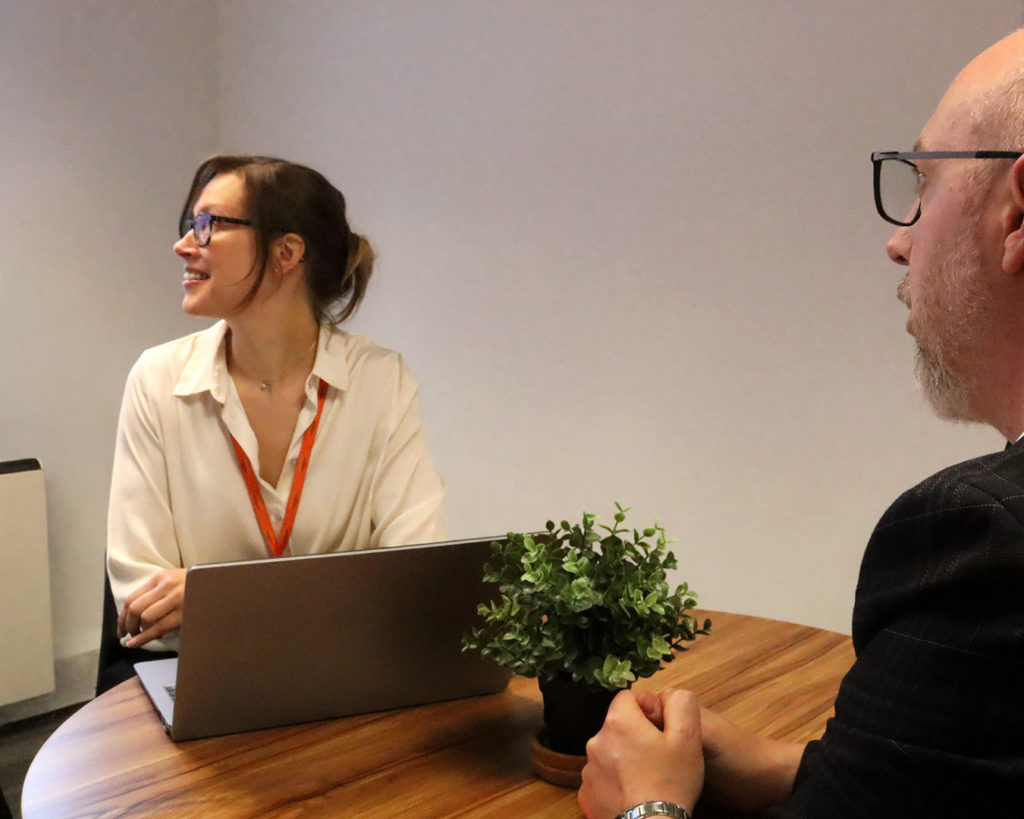
Cashflow Modelling
See your financial future with cashflow modelling
Cashflow modelling brings your income, spending, pensions and savings together to show how your finances could change over time. It can help you explore when you might retire, whether your money could support the life you want and how the decisions you make today may affect the years ahead.
What is cashflow modelling?
Why cashflow modelling can make a difference
See everything in one place
Bring your income, spending, pensions, savings and investments together to get a clearer picture of your finances and how they connect.

Plan further ahead
See how your finances could develop through retirement and identify where changes to your plans today could make a difference later.

Explore the questions that matter
Model when you might be able to retire, what you could afford to spend and how different choices may affect what you leave behind.

How cashflow modelling works
Build the full picture
We start by bringing together your income, spending, pensions, savings and investments, alongside what you want your money to help you achieve.
Look ahead
Using realistic assumptions, we project your finances over time to show how your position could change and whether you’re on track for the future you want.
Explore different possibilities
We can model different scenarios, such as retiring earlier, changing your spending or making a significant purchase, so you can understand the potential impact before making a decision.
Keep your plan up to date
Your circumstances and priorities will change over time. We revisit your cashflow model as part of your financial planning, adjusting it where needed to keep it relevant.
See what your financial future could look like
-
1
When could I afford to retire?
Explore how your pensions, savings and investments could support the retirement you want, and see how different retirement dates could affect your finances over the longer term.
-
2
How much could I afford to spend?
See what level of income and spending your finances could support, helping you make more informed choices about the lifestyle you want in retirement.
-
3
Could my money run out?
Looking ahead can highlight potential shortfalls and show how long your money could last under different assumptions, giving you time to consider changes while you still have options.
-
4
What if my circumstances change?
Explore the potential impact of changes such as supporting family, unexpected spending or changes to your income, and understand how your wider financial plan could respond.
-
5
What could I leave behind?
See what may remain later in life and how different decisions could affect what you pass on, helping you consider your family and estate planning as part of the bigger picture.
30+
Years advising North East clients
4,500+
Clients we look after
96%
Clients who stay with us
FAQs
Your cashflow modelling questions answered
What is cashflow modelling?
Cashflow modelling brings your income, spending, pensions, savings and investments together and projects them into the future. It helps you see how your financial position could change over time and whether your current plans are on track to support the future you want.
What can cashflow modelling help me plan for?
It can help answer some of life’s bigger financial questions, from when you might be able to retire and how much you could afford to spend, to supporting family or passing on wealth. By modelling different scenarios, you can see the potential longer-term impact before making important decisions.
How accurate is cashflow modelling?
Cashflow modelling is a projection, not a prediction. The results depend on assumptions about factors such as inflation, investment growth, spending and life expectancy, all of which can change. Its value comes from exploring different possibilities and helping you make decisions with a clearer view of their potential impact.
Can I use a cashflow modelling tool myself?
There are cashflow modelling tools available online, but their results depend on the information and assumptions you put into them. Working with an adviser can help you build a more complete picture, test realistic scenarios and, importantly, understand what the results could mean for your wider financial plan.
How often should cashflow planning be reviewed?
Cashflow planning works best as an ongoing process. Your income, spending, investments, circumstances and goals can all change, as can the assumptions behind the model. Reviewing it regularly helps keep the projections relevant and your wider financial plan aligned with your life.
Is cashflow modelling financial advice?
Cashflow modelling itself is a planning tool. At Reeves, we use it as part of the wider financial planning and regulated advice process, helping you understand what the projections show and how they relate to your circumstances, goals and financial decisions.
Latest insights
General
A new website for Reeves Independent: A clearer way to start thinking about retirement
• 3 min read
by Reeves Team
Retirement
How to retire abroad: The best five countries for tax benefits and an easy process
• 23 min read
by New Client Team
Pensions
3 Reasons For and Against Taking a Tax-Free Lump Sum From Your Pension
• 8 min read
by Pre-Retirement Team